
Facilities
Rokmil is centrally located at the intersection of 124 St. and Lenox Ave in Central Harlem, just off the 2/3 train line, neighboring Harlem Shake, Whole Foods, and Trader Joe’s. The open split-level space, complete with a patio, is a non-traditional, art-inspired studio for our innovative fitness program, Rokmil, bringing together a community of good people. During off-fitness hours, the facility is available for space rentals at $375/hour with a minimum of 4 hours. For a tour, contact Joe at 765.461.2126.
Inside Rokmil
Take a closer look inside our split-level, art-inspired home in Central Harlem—a space where movement, rhythm, creativity, and community come together.
Built for movement. Open to possibility.
Rokmil is intentionally different from a traditional fitness studio. Its open layout and creative character give people room to train, connect, and experience the space in new ways.
Open, Split-Level Design
A non-traditional layout that supports movement while keeping the experience connected throughout the building.
Art-Inspired Atmosphere
A studio shaped by creativity, rhythm, and individuality—not rows of machines or an ordinary gym environment.
Indoor + Patio Space
The open interior and patio create room for fitness, community experiences, gatherings, and special events.
Bring your gathering to Rokmil.
During off-fitness hours, the facility is available for private rentals at $375 per hour with a four-hour minimum. For availability or to arrange a tour, contact Joe.
A Life Shaped by Movement and Creativity
Milton has always lived at the intersection of art and movement. As a former college football player and lifelong athlete, movement was a constant part of his life. Creativity gave him another way to explore people, culture, and the world around him.
Those two worlds—artist and athlete—would eventually come together in the creation of Rokmil.
Behind the Lens
Photography has been an important part of Milton’s creative life. His work focuses on people, culture, style, and authentic moments.
His photography has been featured in publications including The New York Times, Food & Wine, and Videomaker.

From Life Experience to Rokmil
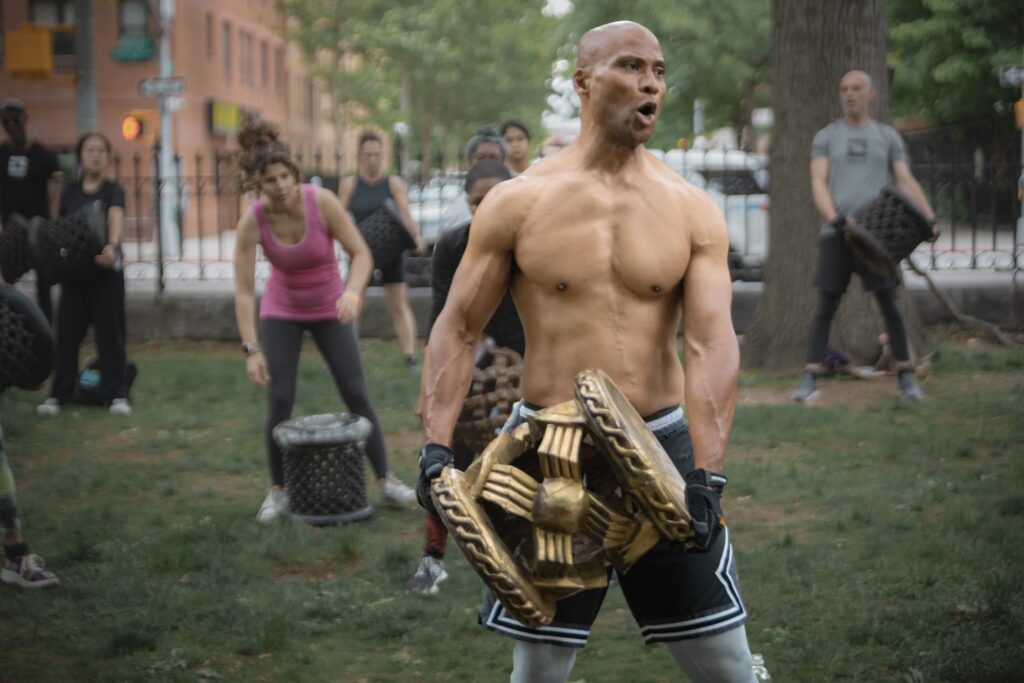
While looking for a better way to move and rehabilitate his body, Milton began experimenting with supported movements using an African Bamileke stool.
What started as a personal approach developed into a system combining strength, flexibility, cardiovascular conditioning, rhythm, and creativity.
A Journey of Identity and Belonging
From his early childhood in South Korea to building a life in America, discover the experiences that helped shape Milton’s identity, creativity, and outlook on life.

Lives Less Ordinary
Milton shared his journey with the BBC, exploring his childhood, adoption, identity, and search for belonging in America.
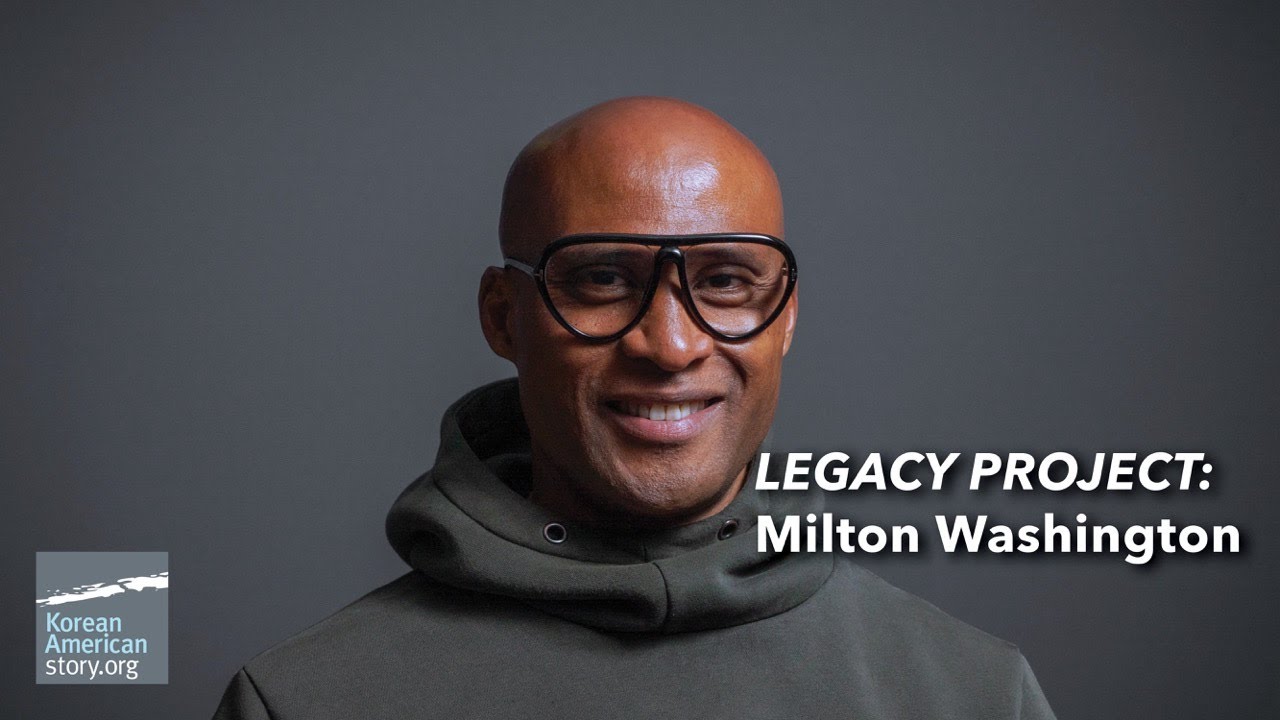
Resilience and Identity
In this Legacy Project New York conversation, Milton reflects on identity, resilience, family, adoption, and finding his place in America.

Natasha Herring and Milton Washington
Listen to Milton’s recorded StoryCorps conversation and explore another personal perspective on his life, experiences, and journey.
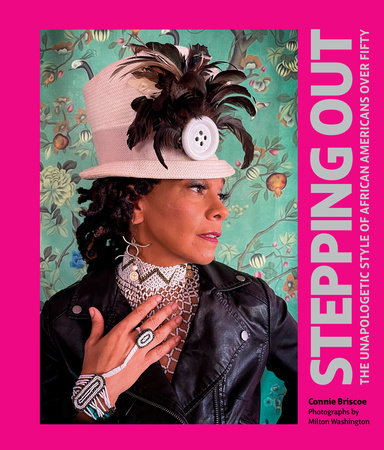
Stepping Out: The Unapologetic Style of African Americans Over Fifty
Milton is the photographer behind Stepping Out, created with bestselling author Connie Briscoe. The book celebrates individuality, confidence, personal style, and the stories of Black Americans over fifty through Milton’s photography.